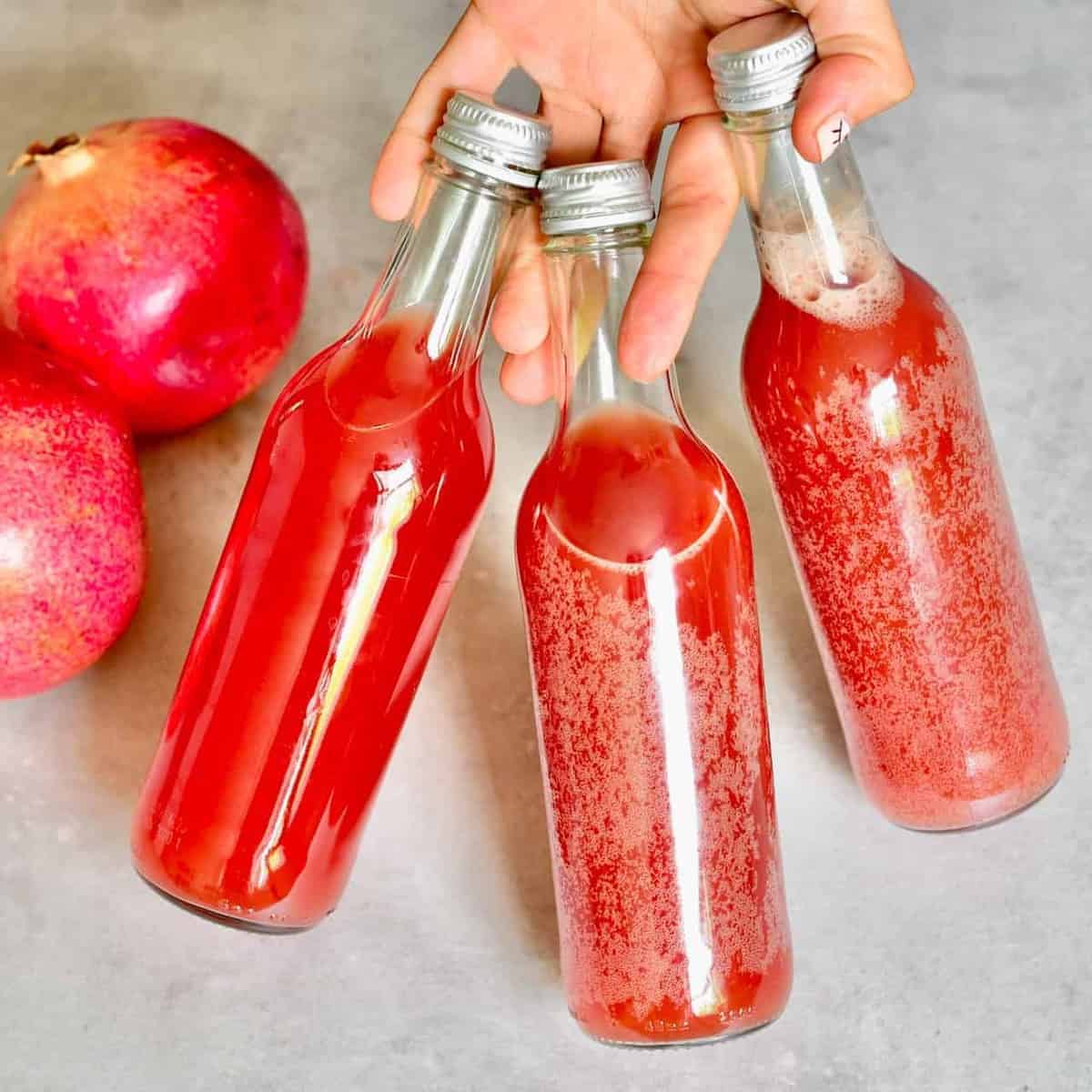
Boost Immunity with Homemade Pomegranate Kombucha: A Health Elixir
Are you searching for a delicious, effervescent drink that not only tantalizes your taste buds but also fortifies your immune system? Look no further than homemade pomegranate kombucha! This vibrant, gut-friendly brew is far more than just a trendy beverage; it's a potent health elixir packed with beneficial probiotics, antioxidants, and the unique goodness of pomegranate. If you've been curious about
how to make homemade kombucha DIY pomegranate style, you’re in the right place. We'll guide you through the rewarding process of crafting this magical drink in your own kitchen, ensuring you get a fresh, potent brew every time.
In a world brimming with health fads and expensive "superfoods," the simplicity and efficacy of homemade fermented drinks often get overlooked. While store-bought probiotic drinks offer convenience, there’s an unparalleled advantage to brewing your own. When you learn
how to make homemade kombucha DIY pomegranate, you gain complete control over the ingredients, fermentation time, and most importantly, the assurance that the beneficial bacteria are alive and thriving when they reach your gut. This article will demystify the process, turning what might seem complex into an enjoyable and accessible culinary adventure.
Unlocking the Magic: What is Kombucha and Why Brew at Home?
At its heart, kombucha is a fermented tea beverage, a slightly tart, subtly sweet, and wonderfully fizzy drink. Its unique properties stem from a symbiotic culture of bacteria and yeast, affectionately known as a SCOBY, which transforms sweetened tea into a powerhouse of probiotics, organic acids, and B vitamins. This fermentation process is what makes kombucha so celebrated for its potential to support gut health, aid digestion, and boost overall well-being.
The internet can sometimes feel like a labyrinth of conflicting information when you first delve into the world of brewing. Our aim is to simplify this for you, focusing specifically on
how to make homemade kombucha DIY pomegranate without the overwhelm.
So, why bother making it yourself when you can grab a bottle from the store? The answer lies in freshness, potency, and cost-effectiveness. Many commercial probiotic drinks, despite their claims, may contain probiotics that don't survive the manufacturing process or the acidic journey to your stomach. By brewing at home, you ensure maximum probiotic viability. Plus, once you master the craft, the cost per serving becomes dramatically lower than store-bought varieties, making it an incredibly sustainable habit. Not to mention, the satisfaction of creating your own healthy concoction is incredibly rewarding.
It's crucial to acknowledge that proper hygiene and technique are paramount when brewing any fermented food or drink. While properly prepared kombucha is incredibly beneficial, an over-fermented or contaminated batch can lead to issues. But don't worry, we'll equip you with the knowledge to brew safely and successfully.
The Core Ingredients: SCOBY and Starter Liquid
Before you embark on your journey to
make homemade kombucha DIY pomegranate, you need to understand two fundamental components: the SCOBY and the starter liquid.
What is a SCOBY?
The SCOBY, an acronym for
Symbiotic Culture Of Bacteria and Yeast, is the living heart of your kombucha brew. Visually, it can be a bit peculiar – a rubbery, often opaque, disc-shaped culture that floats on top of your tea. It can range in color from off-white to brownish and might have stringy bits dangling from it – these are all normal signs of a healthy culture. The SCOBY is responsible for consuming the sugar in the sweet tea and producing the beneficial acids, enzymes, and probiotics that define kombucha. Without a healthy SCOBY, there is no kombucha.
The Role of Starter Liquid
Just as important as the SCOBY is the starter liquid, also known as starter tea. This is typically a portion of unflavored, finished kombucha from a previous batch (or from the container your new SCOBY came in). Its highly acidic nature is vital for two reasons:
- It lowers the pH of your fresh sweet tea, creating an inhospitable environment for mold and other undesirable bacteria.
- It introduces a robust culture of beneficial bacteria and yeast, giving your new brew a "head start" and ensuring a quick, healthy fermentation.
Think of the starter liquid as the initial boost that gets the fermentation engine running smoothly and safely. Always ensure you have enough starter liquid relative to your fresh sweet tea volume.
Pomegranate Power: Boosting Immunity with Flavor
While plain kombucha offers fantastic benefits, flavoring it with pomegranate elevates it to an entirely new level, both in taste and nutritional profile. Pomegranate kombucha isn't just a delightful treat; it’s a powerful elixir for enhancing your health, especially your immune system.
Why Pomegranate?
Pomegranates are truly nature's gems, bursting with a unique blend of sweetness and tartness, making them an ideal candidate for flavoring kombucha. Beyond their exquisite taste, these vibrant red fruits are renowned for their exceptional health benefits:
- Rich in Antioxidants: Pomegranates are packed with powerful antioxidants, particularly punicalagins, which are responsible for most of the fruit's antioxidant activity. These compounds help combat free radicals, reduce inflammation, and protect cells from damage, all crucial for a strong immune response.
- Vitamin C Powerhouse: A single pomegranate contains a significant amount of Vitamin C, a well-known immune booster. Vitamin C stimulates the production of white blood cells, which are vital for fighting off infections.
- Anti-inflammatory Properties: Chronic inflammation can weaken the immune system. Pomegranates possess strong anti-inflammatory properties, thanks to their rich antioxidant content, helping to keep your body's defenses robust.
- Digestive Health: The natural fiber in pomegranates, combined with the probiotics from kombucha, creates a synergistic effect that further supports a healthy digestive system. A healthy gut is intrinsically linked to a healthy immune system.
By infusing your homemade kombucha with pomegranate, you're not just adding incredible flavor; you’re supercharging your drink with a concentrated dose of immune-supporting nutrients.
Your Step-by-Step Guide: How to Make Homemade Kombucha DIY Pomegranate
Brewing your own pomegranate kombucha involves two primary fermentation stages: the First Fermentation (F1) and the Second Fermentation (F2). This structured approach allows you to first create your base kombucha, and then infuse it with the wonderful flavors of pomegranate. For a more detailed walkthrough and specific measurements, you can refer to resources like
DIY Pomegranate Kombucha: Simple Steps to a Gut-Friendly Brew and
Master Pomegranate Kombucha: Your Easy Guide to Home Brewing.
Stage 1: The First Fermentation (F1) – Creating Your Base Kombucha
This is where your sweetened tea transforms into raw kombucha.
- Prepare Sweet Tea: Brew a strong batch of black or green tea (or a blend), dissolve sugar into it while hot, and let it cool completely to room temperature. This cooling step is critical – hot liquid will kill your SCOBY.
- Combine Ingredients: Pour the cooled sweet tea into a clean, sanitized glass brewing vessel. Gently add your SCOBY and the starter liquid.
- Cover and Ferment: Cover the vessel with a breathable cloth (like cheesecloth or a coffee filter) secured with a rubber band. This protects your brew from contaminants while allowing air circulation. Place it in a quiet spot away from direct sunlight, maintaining a consistent room temperature (ideally between 70-80°F or 21-27°C).
- Monitor and Taste: Allow it to ferment for 7-14 days. The fermentation time will vary based on temperature and your taste preference. Start tasting it after about 5-7 days using a clean straw. It should gradually become less sweet and more tart. When it reaches a flavor you enjoy, you're ready for F2.
Stage 2: The Second Fermentation (F2) – Infusing with Pomegranate for Fizz and Flavor
This is where the magic of pomegranate comes in, adding flavor and generating that satisfying fizz.
- Prepare Pomegranate: You can use fresh pomegranate seeds (arils), fresh pomegranate juice, or even frozen pomegranate. If using seeds, you might want to lightly muddle them to release more juice and flavor.
- Bottle and Flavor: Gently remove your SCOBY and about 1-2 cups of your finished F1 kombucha (this will be your starter liquid for the next batch!). Pour the remaining F1 kombucha into clean, sanitized flip-top bottles, leaving about an inch of headspace. Add your prepared pomegranate (e.g., 1/4 to 1/2 cup of juice or seeds per 16oz bottle).
- Second Ferment: Seal the bottles tightly. Let them sit at room temperature for another 2-5 days. During this time, the sugars from the pomegranate are consumed by the remaining yeast, creating carbonation.
- Burp and Chill: Periodically "burp" your bottles (briefly open and reseal the lid) to release excess pressure, preventing over-carbonation and potential bottle explosions. Once sufficiently fizzy, transfer the bottles to the refrigerator. Chilling slows down fermentation, preserving the flavor and fizz.
Congratulations, you've just learned
how to make homemade kombucha DIY pomegranate!
Tips for Success and Troubleshooting Common Issues
Brewing kombucha is relatively forgiving, but a few key practices can ensure consistent success:
*
Sanitation is Key: Always use clean, sanitized equipment. This is your best defense against unwanted mold.
*
Avoid Metal: During F1, avoid contact with reactive metals (like aluminum or copper), as they can leach into your kombucha and harm your SCOBY. Stainless steel is generally fine.
*
Temperature Matters: Consistent warmth promotes efficient fermentation. If your home is cool, consider a fermentation heating mat.
*
Spotting Mold: True mold on kombucha will typically appear as fuzzy, dry, discolored (blue, green, black) spots on the surface. If you see mold, discard the entire batch and SCOBY, then sanitize thoroughly before starting anew. Don't confuse mold with brown strings (yeast) or patchy layers on your SCOBY, which are normal.
*
Patience is a Virtue: Don't rush the process. Let the kombucha ferment to your desired taste and fizziness.
*
Experiment with Flavors: Once you've mastered pomegranate, don't hesitate to experiment with other fruits, herbs, and spices!
Conclusion
Embracing the world of homemade kombucha is a journey toward better health, increased self-sufficiency, and delicious discovery. By learning
how to make homemade kombucha DIY pomegranate, you’re not just brewing a beverage; you're crafting a personalized health elixir that supports your gut, boosts your immunity, and delights your palate. The process is surprisingly straightforward, incredibly rewarding, and promises a continuous supply of tangy, fizzy, and vibrantly healthy drinks right from your own kitchen. So, gather your ingredients, fire up your kettle, and prepare to elevate your wellness with every sip of your magnificent homemade pomegranate kombucha!