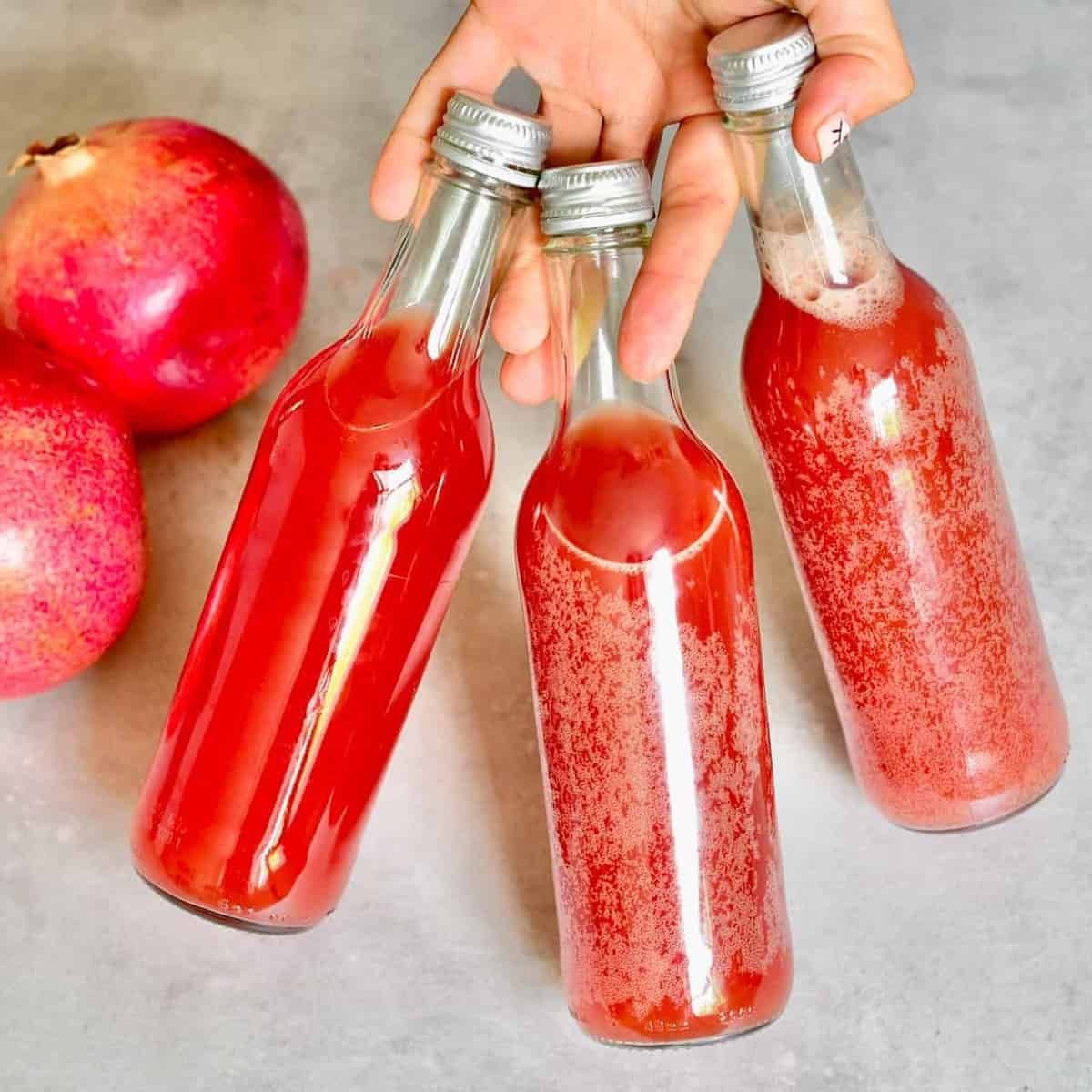
Unlock the Magic of Homemade Pomegranate Kombucha
Craving a tangy, effervescent, and incredibly gut-friendly beverage? Look no further! Learning how to make homemade kombucha DIY pomegranate style is not only surprisingly easy but also incredibly rewarding. Say goodbye to expensive store-bought bottles and hello to a continuous supply of this vibrant, healthy elixir brewed right in your own kitchen.
Kombucha, a fermented tea, has soared in popularity for its unique flavor and purported health benefits. While plain kombucha is delicious, infusing it with the rich, slightly tart notes of pomegranate takes it to a whole new level. This comprehensive guide will walk you through every step, from understanding the basics to achieving that perfect, fizzy pomegranate goodness, ensuring your DIY Pomegranate Kombucha: Simple Steps to a Gut-Friendly Brew is a success every time.
Why Brew Your Own Kombucha? The Benefits of DIY
The market is flooded with probiotic-rich products, from kefir to yogurts, all promising a happier gut. However, many commercial probiotic drinks often contain cultures that may not survive the manufacturing process or even the journey through your digestive system. This is where homemade kombucha DIY truly shines.
- Full Control Over Ingredients: When you brew at home, you dictate exactly what goes into your drink. No hidden sugars, artificial flavors, or unnecessary preservatives. You control the quality of your tea, sugar, and fruit, ensuring a pure and beneficial concoction.
- Maximized Potency: Consuming freshly made kombucha means you're getting the most active and viable probiotics. The live cultures are at their peak, ready to contribute to your gut health.
- Cost-Effective: While the initial investment in equipment might seem like a small hurdle, brewing your own kombucha is significantly cheaper in the long run compared to purchasing bottles regularly. Your SCOBY will continue to produce kombucha indefinitely, making it a sustainable and economical choice.
- Customization and Creativity: The beauty of home brewing is the endless possibilities for flavor. Pomegranate is just the beginning! Experimenting with different fruits, herbs, and spices allows you to tailor your kombucha to your exact preferences.
A word of caution, however: while properly prepared kombucha offers fantastic benefits, it's crucial to follow instructions carefully. Over-fermented or contaminated kombucha can lead to issues. Luckily, by paying attention to cleanliness and a few key indicators, you can ensure a safe and delicious brew.
Demystifying Kombucha: SCOBY and Starter Tea Explained
Before diving into the practical steps of how to make homemade kombucha DIY pomegranate, let's clarify two fundamental components that are often misunderstood:
What is Kombucha?
At its core, kombucha is a fermented tea beverage. Sweet tea is fermented by a symbiotic culture of bacteria and yeast (SCOBY), transforming the sugar into organic acids, probiotics, and a tiny amount of alcohol (typically less than 1%). The result is a naturally effervescent drink that can range from tart to subtly sweet, making it a delightful, gut-friendly alternative to sugary sodas.
The Mighty SCOBY
The term SCOBY stands for "Symbiotic Culture Of Bacteria and Yeast." This isn't just a fancy name; it perfectly describes this fascinating living organism. Visually, a SCOBY is a rubbery, disc-shaped culture, often opaque or brownish, and can have stringy brown yeast strands hanging from it. While its appearance can be a little unusual, it's the heart of your kombucha brew. The SCOBY floats on the surface of the tea, converting the sugar into beneficial compounds and creating the distinctive flavors and fizziness of kombucha.
The Importance of Starter Tea
Equally crucial to a successful brew is "starter tea" (also known as starter liquid). This is simply a portion of plain, unflavored kombucha from a previous batch. Its acidity is vital for two main reasons:
- Prevents Mold: The low pH of the starter tea creates an acidic environment that inhibits the growth of harmful molds and undesirable bacteria, protecting your brew from spoilage.
- Kickstarts Fermentation: The active bacteria and yeast in the starter tea quickly begin the fermentation process in your fresh sweet tea, ensuring a robust and healthy brew. Always ensure you use unflavored kombucha as your starter tea, as residual fruit from flavoring can introduce unwanted elements to your main brew.
Essential Ingredients and Equipment for Your Pomegranate Brew
Gathering your supplies is the first exciting step in your homemade kombucha DIY pomegranate journey. Most items are likely already in your kitchen, or easily sourced.
Key Ingredients:
- Tea: Black tea is traditional, but green tea or a blend also works beautifully. Avoid flavored teas, as essential oils can harm your SCOBY. Aim for organic tea leaves or bags to minimize pesticides.
- Sugar: Plain white granulated sugar is best. It's the preferred food source for the SCOBY. Do not substitute with honey, agave, or artificial sweeteners, as these can upset the SCOBY's delicate ecosystem.
- Filtered Water: Tap water often contains chlorine or chloramines that can be detrimental to your SCOBY. Use filtered or spring water for optimal results.
- SCOBY: Obtain a healthy SCOBY from a trusted source, a friend, or an online supplier.
- Starter Tea: At least 1-2 cups of strong, unflavored kombucha from a previous batch or the liquid your SCOBY came in.
- Pomegranate Juice: For the second fermentation, choose 100% pure pomegranate juice with no added sugars, preservatives, or other fruit juices.
- Fresh Pomegranate Arils (Optional): A handful of fresh arils can add a burst of fresh flavor and visual appeal to your bottled kombucha.
Essential Equipment:
- Large Glass Jar (1-Gallon Capacity): Ideal for brewing your first fermentation. Glass is non-reactive and easy to clean.
- Breathable Cover: A tightly woven cloth, coffee filter, or cheesecloth secured with a rubber band. This protects the kombucha from contaminants while allowing airflow.
- Large Pot: For brewing your sweet tea.
- Stirring Utensil: Preferably non-metallic (wood or plastic).
- Bottles for Second Fermentation (F2): Swing-top bottles are excellent for building carbonation. Ensure they are designed for carbonated beverages to prevent explosions.
- Funnel and Strainer: For bottling and removing any SCOBY remnants.
Cleanliness is paramount! Always ensure all your equipment is thoroughly cleaned and rinsed before use to prevent any unwanted bacterial or mold growth. Avoid using antibacterial soaps, which can harm your SCOBY.
Step-by-Step Guide: How to Make Homemade Kombucha (F1 & F2 Pomegranate)
Now, let's get to the heart of how to make homemade kombucha DIY pomegranate style, broken down into two main stages.
Phase 1: First Fermentation (F1 - The Basic Brew)
- Brew the Sweet Tea:
- Bring 4 cups of filtered water to a boil in your pot.
- Remove from heat, add 8 tea bags (or 2 tablespoons loose leaf tea), and 1 cup of granulated sugar.
- Stir well until the sugar is fully dissolved. Let the tea steep for 5-10 minutes, then remove the tea bags/strain out loose leaves.
- Allow the sweet tea to cool completely to room temperature. This step is critical! Introducing a SCOBY to hot liquid will kill it.
- Combine and Ferment:
- Pour the cooled sweet tea into your 1-gallon glass jar.
- Add 8 cups of cold filtered water to fill the jar (this further cools the tea and dilutes it to the right concentration).
- Gently add your SCOBY and the 1-2 cups of starter tea to the jar.
- Cover the jar with your breathable cloth and secure it with a rubber band.
- Place the jar in a warm spot (ideally 68-78°F or 20-25°C) away from direct sunlight.
- Monitor and Taste:
- Allow the kombucha to ferment for 7-14 days. Fermentation time varies depending on temperature and your desired tartness.
- Around day 5-7, begin tasting your kombucha daily using a clean spoon. It should transition from sweet tea to a tangy, slightly vinegary beverage.
- You'll notice a new SCOBY layer forming on top of the old one – this is a sign of healthy fermentation!
When the taste is to your liking, your First Fermentation is complete. Now it's time to prepare for flavoring.
Phase 2: Second Fermentation (F2 - Pomegranate Flavoring & Carbonation)
This is where your kombucha gets its signature pomegranate flavor and delightful fizz. For more detailed instructions and a deeper dive into the health benefits of this stage, explore Boost Immunity with Homemade Pomegranate Kombucha: A Health Elixir.
- Prepare for Bottling:
- Carefully remove the SCOBY (or SCOBYs, if a new layer has formed) from the jar. Place it in a clean container with 1-2 cups of the freshly brewed kombucha (this is your starter tea for the next batch). Cover and set aside.
- Strain the remaining F1 kombucha into a clean bowl or pitcher to remove any yeast strands or small SCOBY bits.
- Flavor and Bottle:
- For each 16oz (500ml) bottle, add ¼ cup of 100% pure pomegranate juice. You can also add 1-2 tablespoons of fresh pomegranate arils for extra texture and flavor. Adjust quantities to your preference.
- Using a funnel, carefully pour the strained F1 kombucha into your prepared bottles, leaving about an inch of headspace at the top.
- Seal the bottles tightly with their swing-tops or caps.
- Carbonate and Chill:
- Place the sealed bottles in a warm spot for 2-4 days to allow for carbonation. Check carbonation levels by gently opening a bottle over a sink to hear a "hiss."
- Once desired fizziness is achieved, transfer the bottles to the refrigerator. This stops the fermentation process and preserves the flavor and carbonation.
Your refreshing pomegranate kombucha is now ready to enjoy! Remember to "burp" your bottles daily during F2 if you're concerned about excessive pressure, especially in warmer environments, to prevent potential explosions.
Troubleshooting and Tips for a Perfect Brew
- Mold vs. Yeast: Mold will appear as fuzzy, dry, usually circular patches on the surface, often green, black, or white. If you see mold, discard the entire batch and sterilize your jar before starting over. Healthy yeast can look like stringy brown bits or dark sediment at the bottom – this is normal.
- Temperature Matters: Consistent temperatures are key. Too cold, and fermentation slows down significantly; too hot, and it can accelerate too much, leading to vinegary kombucha or an increased risk of spooby growth.
- Don't Skimp on Starter Tea: The starter tea is your brew's first line of defense against unwanted invaders. Always use the recommended amount.
- Adjust Sweetness: If your kombucha is too tart, you can add a touch more sugar or fruit juice during F2. If it's too sweet, allow F1 to ferment for a few more days.
- Carbonation Issues: If your F2 isn't fizzy, your bottles might not be airtight, or there wasn't enough sugar in the fruit juice to fuel the yeast. Try adding a pinch of sugar or a few extra arils in your next batch.
Conclusion
Mastering how to make homemade kombucha DIY pomegranate is an incredibly rewarding journey that brings a fresh, healthy, and delicious beverage to your table. Not only will you save money, but you'll gain the satisfaction of creating a vibrant, gut-friendly elixir tailored exactly to your taste. With this guide, you have all the knowledge and tips to brew with confidence. So, gather your ingredients, embrace the fermentation process, and prepare to enjoy the magical flavors of your very own homemade pomegranate kombucha!
